Investing in Commercial Wellness Equipment: What Businesses Need to Consider

Investing in commercial wellness equipment can create new revenue opportunities, enhance customer experiences and help businesses respond to growing demand for wellness and recovery services. But choosing the right technology requires more than comparing products and prices. From customer demand and return on investment to installation, training and long-term support, we explore what businesses should consider before making an investment.
- Why Commercial Wellness Continues to Grow
- Understanding What Your Customers Actually Want
- Choosing Technology That Fits Your Business
- Looking Beyond the Initial Equipment Cost
- Understanding Commercial Return on Investment
- Why Training and Support Matter
- Planning for Long-Term Growth
- Frequently Asked Questions
- Final Thoughts
Why Commercial Wellness Continues to Grow
Wellness is increasingly becoming part of how people choose to spend their time and money, rather than something reserved for an occasional spa visit.
The scale of that change is significant. The Global Wellness Institute valued the global wellness economy at $6.8 trillion in 2024 and projects it to reach approximately $9.8 trillion by 2029. Its UK research also found that consumer wellness spending had increased substantially compared with 2019.
For commercial operators, this creates opportunities across a wide range of sectors, including:
Hotels and resorts
Spas and wellness centres
Health clubs and gyms
Recovery centres
Aesthetic clinics
Sports and performance facilities
Dedicated float and cold therapy centres
At the same time, the definition of wellness is broadening.
Experiences such as floatation therapy, cold water immersion and red light therapy are increasingly sitting alongside more established spa and treatment offerings.
This gives businesses an opportunity to create more comprehensive wellness experiences rather than relying on a single treatment or service.
However, a growing market doesn't automatically make every wellness investment commercially viable.
Understanding where demand exists within your own customer base should always come first.
Understanding What Your Customers Actually Want
One of the biggest mistakes when investing in new wellness technology is starting with the equipment rather than the customer. A product may be gaining attention, but that doesn't necessarily mean it's the right investment for your business.
Customer Demand
What are your customers already asking about, and are they travelling elsewhere to access services you don't currently offer?
Existing Performance
Look at which of your current services perform particularly well and where a new wellness experience could complement them.
Local Competition
Consider what competitors are introducing and, importantly, whether there is a genuine gap in your local market.
Pricing
What price point will your customers realistically pay, and does this support a commercially viable service?
Repeat Visits
Consider whether the experience naturally encourages repeat bookings, memberships or treatment programmes.
Your Existing Offering
The strongest investments often complement services your customers already use rather than sitting completely separately.
Choosing Technology That Fits Your Business
Once an opportunity has been identified, the next step is determining which technology actually fits the business.
Commercial wellness equipment should be evaluated differently from equipment intended for occasional or domestic use.
Consider factors such as:
Expected daily usage
Treatment or session duration
Capacity and customer throughput
Space requirements
Electrical and plumbing requirements
Cleaning and hygiene procedures
Staff involvement
Maintenance requirements
Warranty provision
Technical support
Availability of replacement parts and consumables
Expected operational lifespan
Physical space deserves particular attention.
For example, a commercial floatation facility requires more consideration than simply finding enough room for the float system itself. Room layout, access, ventilation, water management, flooring, acoustics and the wider customer journey can all influence the project.
Similarly, commercial cold water immersion requires consideration of water management, sanitation, filtration and the demands created by repeated shared use. Commercial suppliers themselves emphasise that installation, maintenance and water-management requirements need to be considered alongside the equipment.
The best technology isn't necessarily the product with the longest specification sheet.
It's the technology that can perform consistently within the environment in which it will actually be used.
Looking Beyond the Initial Equipment Cost
The purchase price is only one part of the overall investment. Understanding the total cost of ownership can help businesses compare technologies more accurately and avoid unexpected costs later.
Installation
Consider the full cost of getting the equipment operational, including delivery, installation and any electrical, plumbing or room modifications required.
Running Costs
Electricity, water and consumables can all contribute to the ongoing cost of delivering a treatment or wellness experience.
Maintenance & Servicing
Regular maintenance and servicing can help protect your investment, reduce unexpected downtime and support the long-term performance of your equipment.
Staff & Training
Consider how much staff time is required to operate, clean and manage the equipment, as well as any initial or ongoing training requirements.
Parts & Consumables
Replacement parts, filters, treatment consumables and other recurring requirements should be factored into your long-term operating costs.
Downtime & Support
When equipment generates revenue, downtime has a commercial impact. Reliable technical support and access to replacement parts should therefore form part of the buying decision.
Understanding Commercial Return on Investment
Return on investment is understandably one of the first questions businesses ask when considering commercial wellness equipment.
But there isn't one universal ROI figure.
Actual performance depends on factors including:
Equipment investment
Installation costs
Session price
Number of sessions available
Occupancy or utilisation
Staffing requirements
Operating costs
Membership structure
Packages and treatment programmes
Customer retention
Local demand
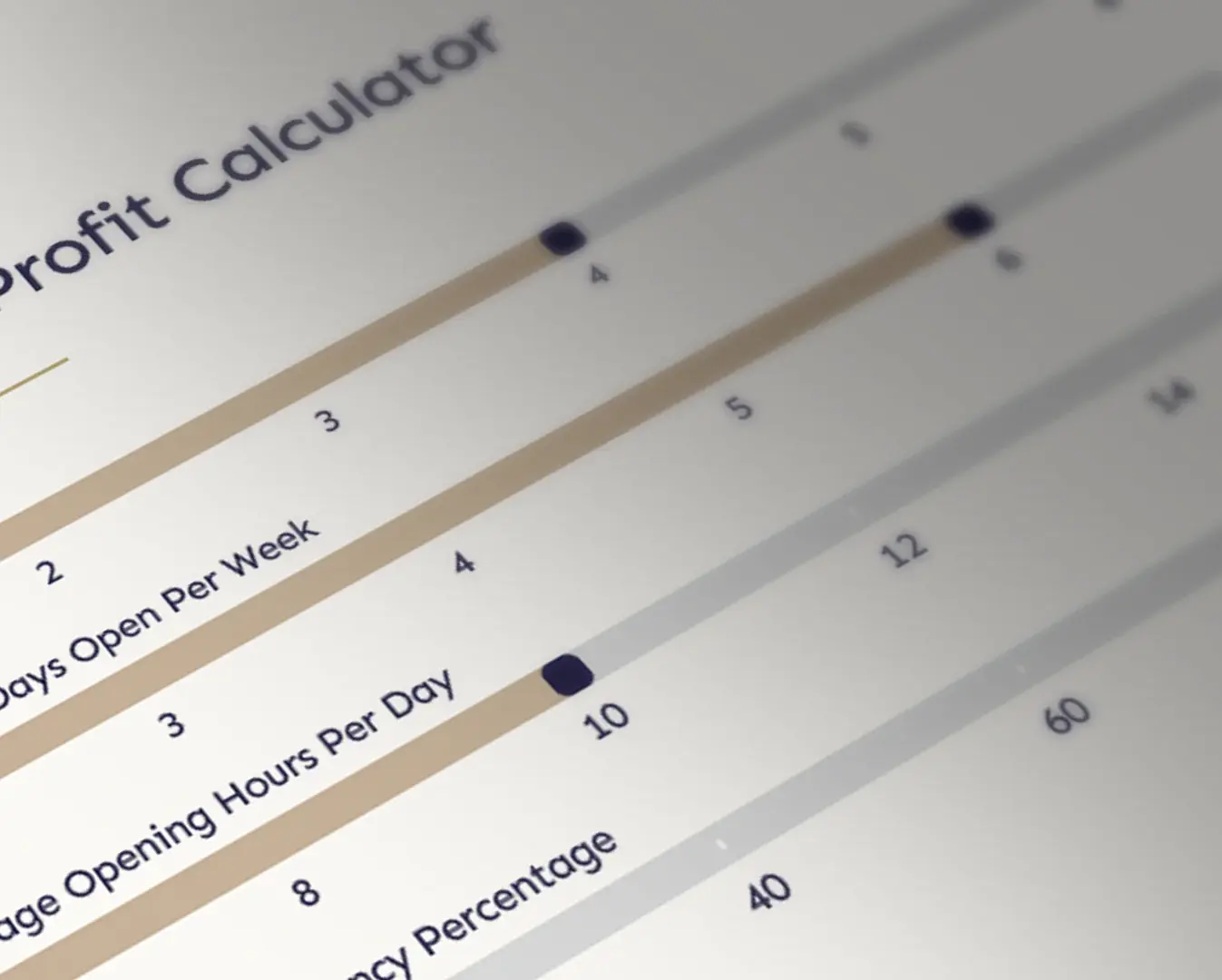
A simple starting point is to understand your potential capacity.
For example, if a service can accommodate eight paid sessions each day, the important question isn't what revenue eight sessions would generate.
It's how many of those eight sessions you can realistically expect to sell.
Businesses should model several scenarios rather than relying on the most optimistic projection:
Conservative: What happens at relatively low utilisation?
Expected: What happens at the level of demand you realistically believe you can achieve?
High utilisation: What happens if the service performs particularly well?
You should then deduct the actual costs associated with delivering those sessions.
This provides a far more useful indication of potential payback than simply multiplying the maximum number of sessions by the treatment price.
There are also opportunities beyond standalone appointments.
Memberships, packages, treatment programmes, combination services and repeat-booking strategies can all contribute to the commercial performance of wellness technology.
At WA Tech, this forms part of our approach to business development: helping partners think beyond individual appointments and towards treatment journeys, repeat bookings and long-term customer relationships.
Why Training and Support Matter
The relationship with your equipment supplier shouldn't end when the equipment arrives.
Introducing new wellness technology often means introducing a new service into the business, and staff need to understand both.
Effective training can help teams understand:
How to operate the equipment correctly
How to deliver a consistent customer experience
Cleaning and maintenance procedures
How to explain the service confidently
Appropriate protocols and contraindications
How to incorporate the service into existing customer journeys
Technical support is equally important.
Commercial equipment that is generating revenue needs to remain operational. If something does go wrong, access to knowledgeable technical support, servicing and replacement parts can make a significant difference to the impact on the business.
Supplier selection should therefore form part of the investment decision.
Ask what happens after installation, not just what happens before the sale.
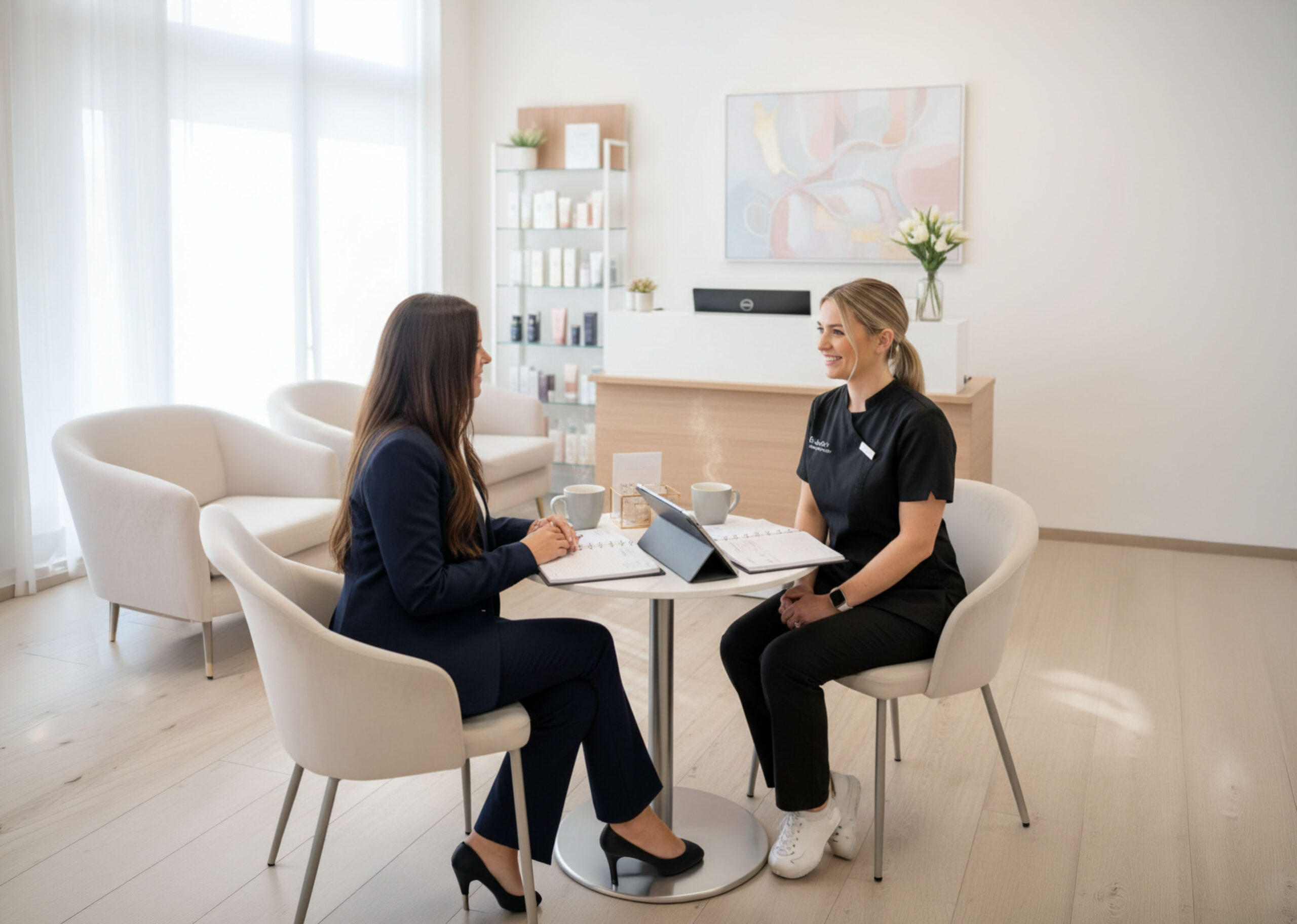
At Wellness & Aesthetics Technology, training, technical support, marketing and business development form part of the wider support available to our partners because we believe investing in technology should be the beginning of the relationship rather than the end.
Planning for Long-Term Growth
The best wellness investments should work for the business today while allowing room for tomorrow.
Customer preferences change. Technologies develop. Businesses expand.
Consider how a new service could form part of a wider wellness journey.
For example, rather than viewing floatation, cold water immersion or red light therapy entirely in isolation, businesses can consider how different experiences might complement one another and their existing services.
This can create opportunities for:
- Memberships
- Multi-session packages
- Recovery programmes
- Treatment combinations
- Premium upgrades
- Corporate wellness packages
- Customer retention programmes
It is also worth considering the physical space.
If you're developing a new facility, planning infrastructure and layout with future expansion in mind can be significantly easier than making major alterations later.
Ultimately, commercial wellness technology should support the wider direction of the business.
The question isn't simply:
"Will customers use this?"
It should also be:
"Where does this fit within the business we want to build?"
FAQs
-
Consider customer demand, available space, installation requirements, operating costs, staff training, servicing, expected utilisation and potential return on investment. The equipment should fit both your customers and your wider business model.
-
Commercial wellness technology can be suitable for hotels, spas, wellness centres, gyms, health clubs, recovery facilities, aesthetic clinics and other businesses looking to introduce wellness or recovery experiences.
-
Start by calculating the total investment and ongoing operating costs. Then estimate realistic revenue based on your session price, available capacity and expected utilisation. Creating conservative, expected and high-utilisation forecasts gives a more realistic picture than calculating revenue based on maximum capacity alone.
-
Price is important, but it shouldn't be the only consideration. Reliability, commercial suitability, warranty, maintenance requirements, training, technical support and expected lifespan can all affect the true cost of owning the equipment.
-
Yes. Depending on the business and individual services involved, different technologies can form part of a broader wellness or recovery offering. The important consideration is whether each service has a clear purpose within the customer journey rather than adding equipment simply to increase the number of treatments available.
-
Yes. WA Tech provides support across areas including training, technical support, marketing and business development, helping businesses integrate their technology and develop long-term revenue opportunities.
Final Thoughts
Investing in commercial wellness equipment can create significant opportunities for businesses looking to expand their services, attract new customers and develop additional revenue streams.
But successful investment requires more than choosing an impressive piece of technology.
The strongest projects consider the entire commercial picture: customer demand, technology, space, operating costs, utilisation, staff training, support and long-term growth.
Taking the time to assess these factors before investing can help businesses choose technology that works not only as a wellness experience, but as part of a sustainable commercial model.
At Wellness & Aesthetics Technology, we work with businesses to understand their objectives before recommending a solution. Our commercial wellness range includes ENSO Float, ENSO Ice and ENSO Red, alongside our professional non-surgical aesthetic technologies.
From product selection and planning through to training, technical support, marketing and business development, our aim is to help partners get more from their investment over the long term.
Considering introducing or expanding wellness services within your business? Get in touch with the WA Tech team to discuss your plans and explore which technologies could best suit your space, customers and commercial objectives.
Not Sure Which Wellness Technology Is Right for Your Business?
Every business, space and customer base is different. Our team can help you explore the right commercial wellness technologies for your objectives, from initial planning through to installation, training and ongoing support.
- ✓ Discuss your project and commercial objectives
- ✓ Explore technologies suited to your space and customers
- ✓ Get guidance on installation, training and ongoing support